

Black Mould Health Effects – Protect Your Health & Home
Black mould is more than just an ugly stain on walls or ceilings – it can affect your health and the safety of your home. It loves damp places like bathrooms, basements, around windows, and anywhere water leaks have occurred.
At Elite Restoration, our mould remediation team follows the ANSI/IICRC S520 Standard for Professional Mold Remediation, which sets out how to safely assess, contain, and remove mould. If you’re worried about black mould, call 1300 899 276 or visit eliterestoration.au.
What Is Black Mould?
Black mould (often referred to as Stachybotrys chartarum) is usually dark green or black and grows on materials like:
- Wood and timber products
- Paper and cardboard
- Drywall and plasterboard
It thrives in warm, damp areas with poor ventilation – for example:
- Basements and subfloors
- Bathrooms and showers
- Near leaking windows, roofs, or pipes
If moisture problems aren’t fixed, black mould can spread and release spores into the air, which may impact your health.
Who Is Most at Risk?
Anyone can react to mould, but some people are more vulnerable, including:
- People with asthma or other respiratory conditions
- Infants and young children
- Older adults
- People with allergies
- Anyone with a weakened immune system
For these groups, reducing mould exposure is especially important.
Allergic Reactions to Black Mould
If you’re allergic to mould, even low levels can trigger symptoms. Typical allergy-type reactions include:
- Blocked or runny nose
- Red, itchy or watery eyes
- Sneezing and coughing
- Skin irritation or rashes
These happen because your immune system treats mould spores as a threat, releasing chemicals like histamine that cause allergy symptoms.
Musty Smell and mVOCs
That “musty, mouldy” smell you notice is caused by microbial volatile organic compounds (mVOCs) produced by mould as it grows.
Even people who aren’t allergic to mould may experience:
- Headaches
- General tiredness or discomfort
- Eye, nose, or throat irritation
Persistent musty odours are a sign that moisture and mould problems need to be properly investigated – not just covered up with air fresheners.
Respiratory Effects of Inhaling Black Mould
Breathing in mould spores can irritate the airways. For people with asthma or other lung conditions, exposure may:
- Trigger asthma attacks
- Worsen coughing and wheezing
- Increase shortness of breath
Even without allergies, mould exposure can cause:
- Sore or scratchy throat
- Nasal congestion
- Eye and nose irritation
Long-term exposure in a mouldy environment can continue to aggravate existing breathing problems.
Infection & Toxicity Risks
Fungal Infections
People with severely weakened immune systems may be more prone to fungal infections from mould exposure. This is why hospitals and care facilities take indoor air quality and moisture control very seriously.
Mycotoxins
Some moulds, including certain strains of black mould, can produce substances called mycotoxins. These may be linked with more serious symptoms in sensitive individuals, such as:
- Headaches
- Worsening breathing difficulties
- Skin irritation
If you are concerned about symptoms or ongoing exposure, it’s important to seek medical advice.
How to Reduce Black Mould Risks at Home
You can lower the chance of black mould growing by:
- Keeping indoor humidity ideally below 50%
- Using exhaust fans in bathrooms, kitchens, and laundries
- Fixing leaks and water intrusion promptly
- Improving airflow and ventilation
- Regularly checking basements, ceilings, and around windows for dampness
However, once mould is established – especially over a large area – professional remediation is recommended.
Professional Mould Remediation – The Safe Approach
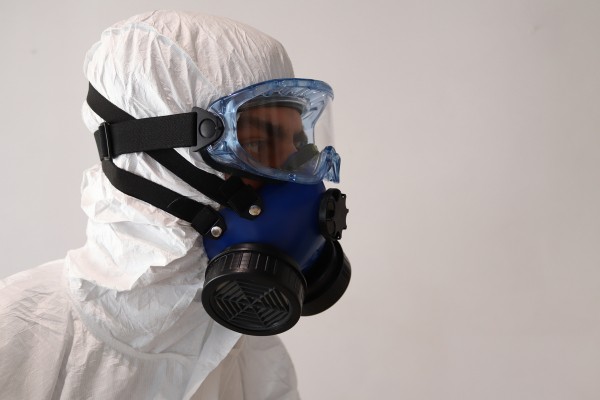
Elite Restoration follows the ANSI/IICRC S520 Standard for Professional Mold Remediation, which focuses on:
- Finding and fixing the moisture source
- Using containment and negative air to prevent spread
- Physically removing mould-contaminated materials where needed
- HEPA vacuuming and detailed cleaning
- Drying the structure to safe moisture levels
This standards-based approach helps protect both your property and the health of those living or working inside.
Worried About Black Mould in Your Property?
If you’ve noticed black mould, musty odours, or ongoing dampness, it’s important to act early. Professional assessment and remediation can reduce health risks and prevent further damage.
For friendly, certified help, contact Elite Restoration today:
📞 1300 899 276
🌐 eliterestoration.au
Fast. Transparent. Certified.