

Chemical Safety in Fire and Smoke Restoration
Fire disasters can cause major structural damage and leave heavy smoke and soot behind. Restoring a fire-damaged property requires specialised knowledge, and maintaining chemical safety is essential to protect occupants and restoration professionals. Elite Restoration places strong focus on safe chemical use throughout the restoration process.
This guide explains key risks, common restoration chemicals and the safety guidelines that help ensure a safe and effective restoration outcome.
The Importance of Chemical Safety
1. Protecting Human Health
Many restoration chemicals can irritate skin, affect breathing or cause health issues if used incorrectly. Following Chemical Safety Guidelines protects workers and occupants from harm.
2. Safeguarding the Environment
Restoration chemicals can impact the environment if mishandled. Responsible use, storage and disposal help prevent pollution and contamination.
3. Preserving Property
Incorrect chemical use may cause extra damage to building materials or belongings. Safety guidelines ensure chemicals are applied correctly and safely.
Understanding Restoration Chemicals
1. Cleaning Agents
Used to remove soot and smoke residue from surfaces. These range from mild detergents to strong solvents.
2. Deodorizers
Products that eliminate smoke odours, including sprays, gels and ozone-based systems.
3. Disinfectants
Used to kill bacteria, mould and microorganisms that thrive after fire-related moisture exposure.
Chemical Safety Guidelines
1. Proper Training
Anyone using restoration chemicals should be trained in safe handling, usage, storage and disposal.
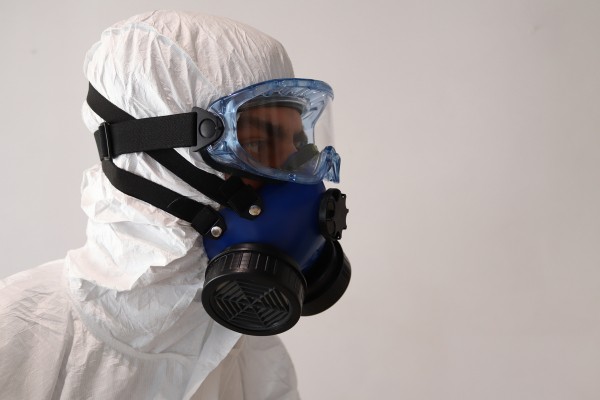
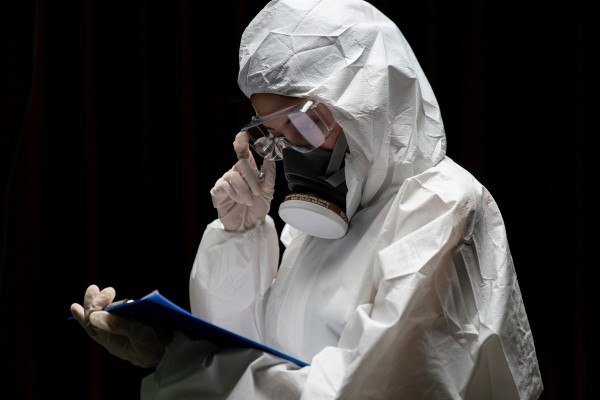
2. Personal Protective Equipment
Gloves, masks, goggles and protective clothing help prevent contact with chemicals and harmful fumes.
3. Ventilation
Ensure good airflow when using chemicals. Open windows and use fans to reduce inhalation risks.
4. Read Labels and Instructions
Follow all usage, dilution and precaution instructions provided on chemical labels.
5. Storage
Store chemicals properly in designated areas, away from heat sources and out of reach of children and pets.
6. Emergency Response Plan
Have a clear plan for chemical exposure, including nearby medical contacts and emergency procedures.
Best Practices for Chemical Safety
1. Assess the Situation
Evaluate the type of damage and chemicals required before beginning any restoration work.
2. Choose Environmentally Friendly Products
Select eco-friendly chemicals when possible to reduce risks to people and the environment.
3. Regular Maintenance
Maintain equipment and work areas to prevent leaks, spills or accidental exposure.
4. Seek Professional Assistance
For complex or high-risk restoration needs, professional help ensures safe, compliant and effective results.
Chemical safety is crucial in fire and smoke restoration. With the right knowledge, guidelines and best practices, you can ensure a safe and successful restoration process. Elite Restoration follows strict safety procedures to protect your property and everyone involved. For professional assistance, contact us at 1300 899 276 or visit our website.