
Health & Safety in Water Damage Restoration
Water damage restoration isn’t just about drying buildings — it’s about protecting the people inside them. Whether the issue is a burst pipe, stormwater intrusion, or major flooding, every restoration project carries risks that must be managed carefully and professionally.
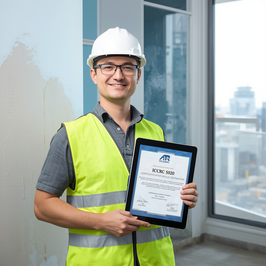
At Elite Restoration, safety is at the core of everything we do. As an IICRC-certified firm, our technicians follow the ANSI/IICRC S500 Standard for Professional Water Damage Restoration along with Australia’s WHS (Work Health and Safety) requirements to ensure safe, compliant, and quality-driven work on every site.
Why Health & Safety Matters in Water Damage Restoration
Water-damaged environments can contain electrical hazards, structural instability, contamination, and microbial growth. Managing these risks properly protects both building occupants and the technicians carrying out the work.
Australian WHS Requirements
In Australia, safety in the restoration industry is guided by legislation such as:
- Work Health and Safety Act (WHS Act)
- Occupational Health and Safety Act (OHSA)
These laws cover critical areas including handling hazardous materials, correct use of PPE, safe work procedures, and risk assessment requirements.
Elite Restoration complies with national WHS laws as well as state-based regulations, ensuring every job meets strict safety expectations.
Training & Communication
A safe job starts with a trained team. All Elite Restoration technicians receive extensive training in:
- Safety protocols and WHS responsibilities
- Emergency procedures
- Use of drying equipment, electrical safety, and tools
- IICRC S500 moisture inspection and monitoring requirements
Clear communication channels ensure that any safety concern is addressed immediately.
Common Hazards in Water-Damaged Buildings
Water damage sites can expose workers and occupants to several hazards, including:
- Electrical dangers (wet wiring, submerged outlets, damaged appliances)
- Structural risks (weakened flooring, ceilings, or walls)
- Microbial contamination (bacteria, mould growth, sewage-related hazards)
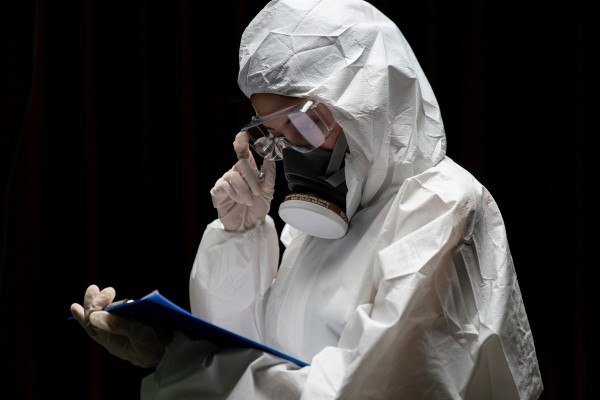
Elite Restoration conducts full site risk assessments and implements engineering controls when needed to minimise exposure.
Mould & Microbial Safety
Moisture that isn’t addressed quickly can lead to mould growth within 24–48 hours. Mould can trigger allergies, respiratory issues, and other health problems — especially in vulnerable individuals.
Our team follows the ANSI/IICRC S520 Standard for Professional Mold Remediation when microbial risks are present, ensuring:
- Proper containment and negative air pressure
- HEPA filtration and safe cleaning methods
- Removal of contaminated materials when necessary
- Moisture correction to prevent recurrence
Effective Risk Management
To ensure safety, our process includes:
- Detailed site inspections
- Hazard identification
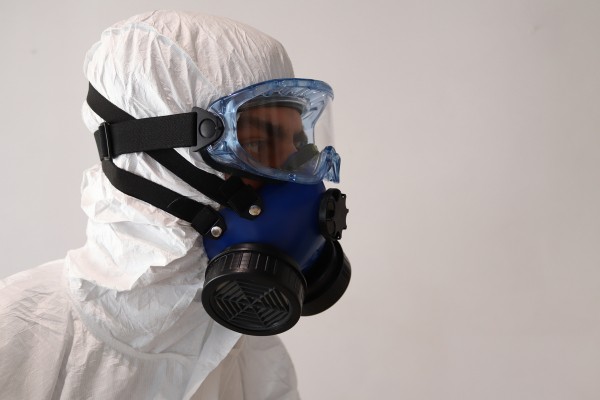
- Correct PPE for all technicians
- Engineering controls (air scrubbers, barriers, isolation)
- Continuous monitoring of moisture and environmental conditions
Every step aligns with WHS legislation and the IICRC standards for safe and professional restoration.
A Safer, Healthier Restoration Experience
Elite Restoration is committed to protecting both our team and your property’s occupants. By prioritising WHS compliance, professional training, and industry-leading safety measures, we deliver restoration work that is not only effective — but safe.
For certified, safety-focused water damage restoration, contact Elite Restoration today:
📞 1300 899 276
🌐 eliterestoration.au
Fast. Transparent. Certified.