

Importance of Indoor Air Quality in Winter
During winter, homes and businesses often become sealed environments with little fresh air exchange. This can cause moisture, mould and airborne pollutants to build up—putting health and property at risk.
Why Winter Conditions Affect Indoor Air Quality
Cooler outdoor temperatures lead to less ventilation, more condensation, higher humidity indoors and limited fresh-air flow. These conditions allow pollutants and mould to accumulate.
Health Impacts
Poor indoor air quality can irritate eyes, nose and throat, trigger asthma and allergies, and worsen respiratory conditions. Hidden mould behind walls or under flooring is a common risk during winter months.
Structural Risks
Excess moisture from condensation or minor leaks can weaken building materials over time. Carpets, underlay, wood and drywall may all degrade quietly without proper drying and ventilation.
Winter Indoor Air Quality Best Practices
• Ensure regular ventilation—even for short periods—to replace stale air with fresh air.
• Use dehumidifiers and air-movers in damp rooms or after leaks.
• Inspect hidden areas (under furniture, behind curtains, beneath carpets) for odour or mould.
• Maintain heating systems and ensure no unvented combustion appliances adding pollutants.
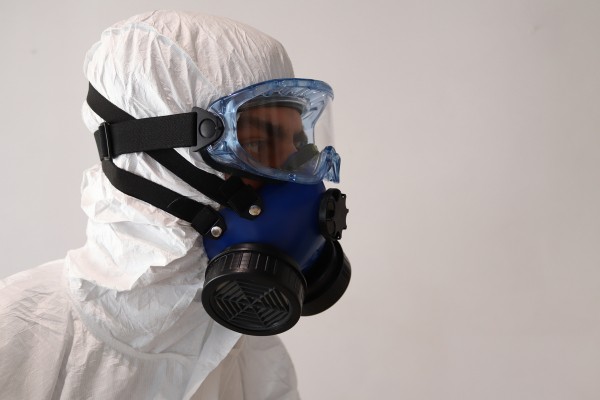
• If damage from water or mould is suspected, contact professionals like Elite Restoration for assessment and remediation.
Don’t let winter compromise your indoor air quality. With proper monitoring, ventilation and expert support, you can maintain a healthy, dry and comfortable indoor environment throughout the colder months.