CASE STUDY: Targeted Water Damage Restoration with Controlled Drying Techniques
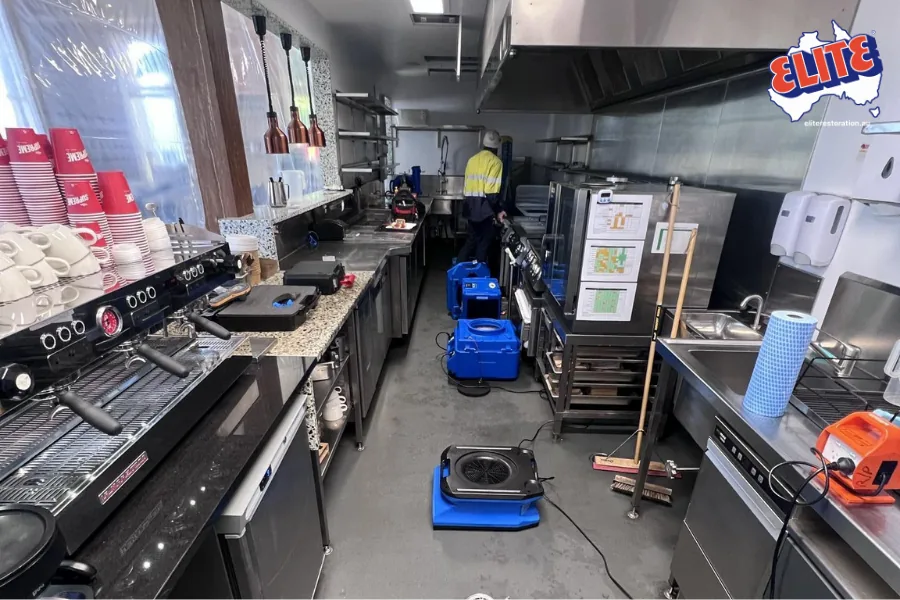
On the 9th of April 2026, Elite Restoration was engaged to assess and manage water damage following an early morning ingress event caused by a leaking air conditioning pipe.
The incident resulted in water discharge into a kitchen area, affecting flooring and lower wall sections.
Immediate action was taken, including water extraction during the initial attendance to stabilise the environment.
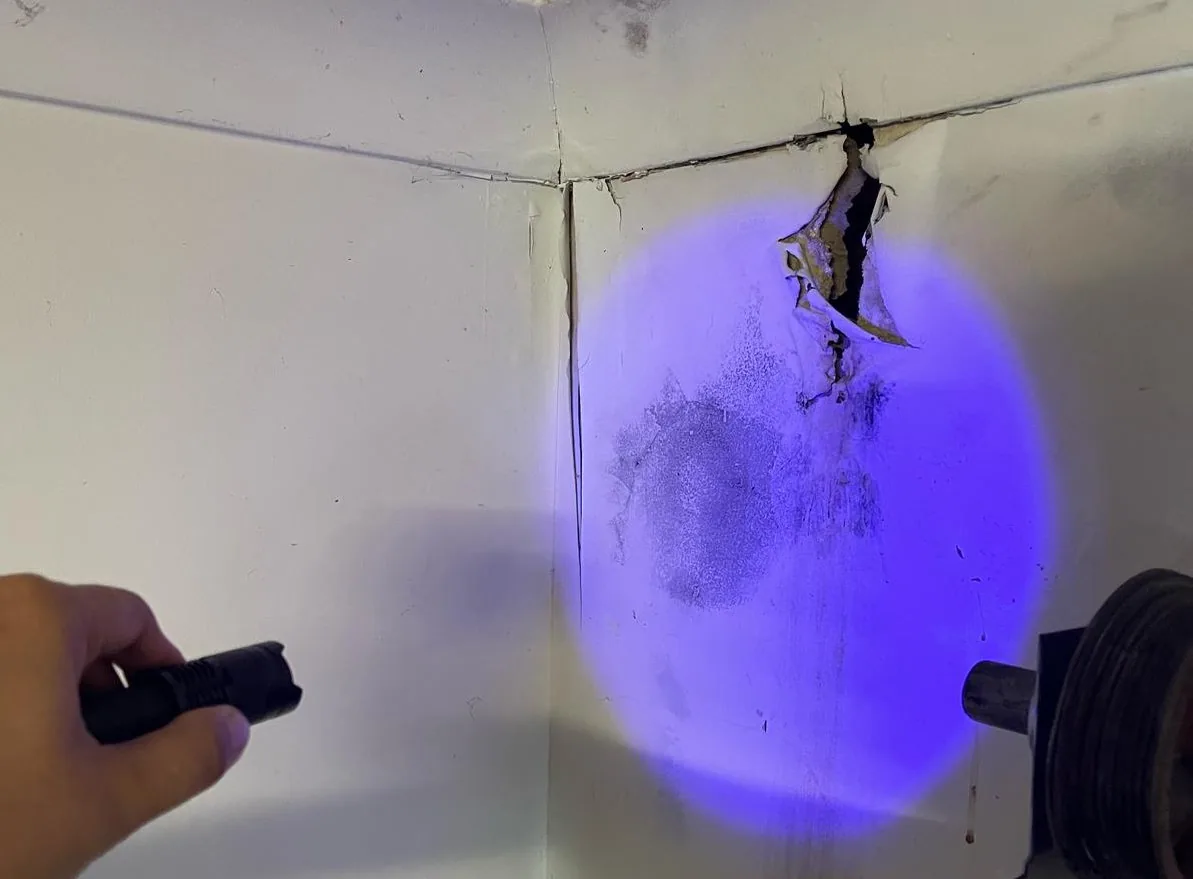
Water had spread across concrete flooring and into plasterboard wall linings, with no contamination observed at the time of assessment.
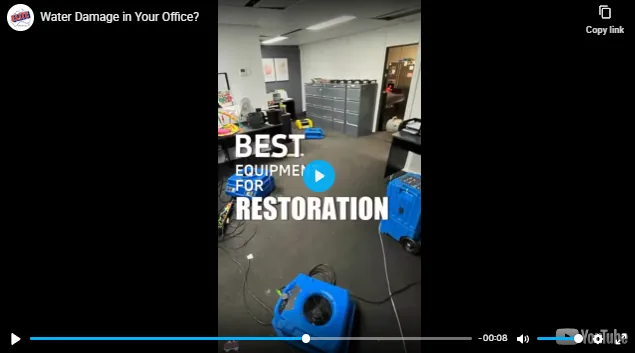
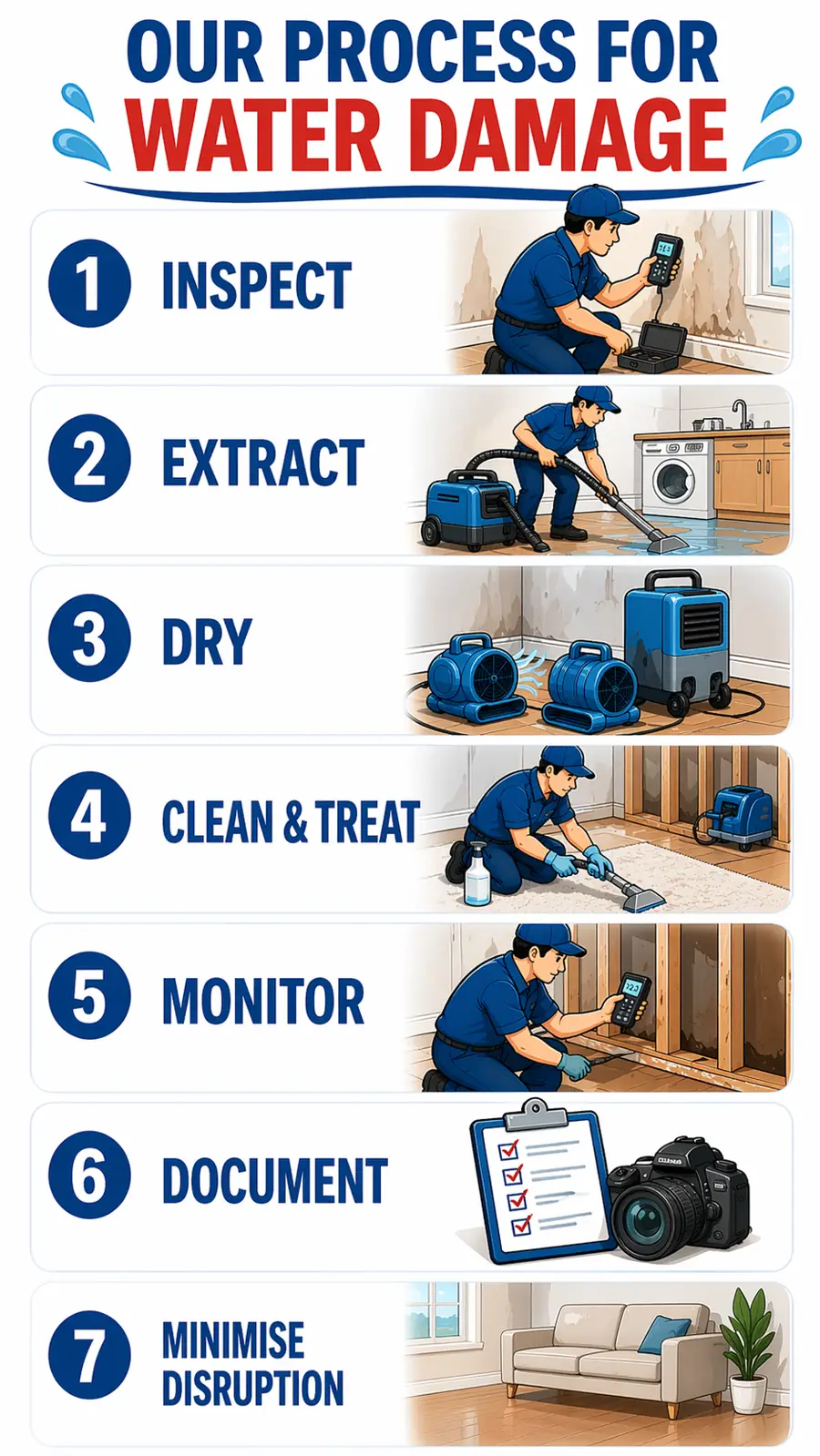
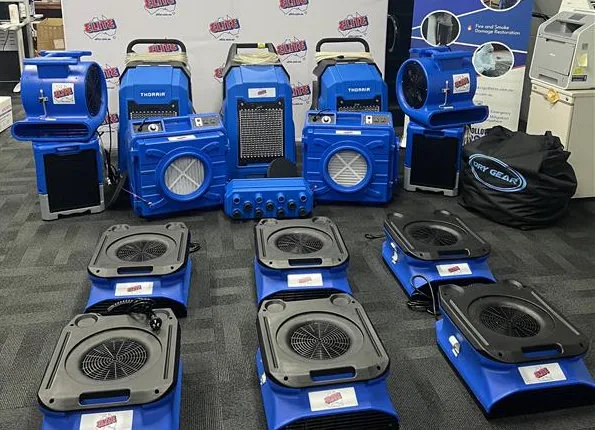
Elite Restoration implemented a controlled drying process over six days, supported by four site attendances to monitor progress and adjust equipment as needed.
Moisture levels were consistently tracked using professional instruments to ensure all materials were drying effectively.
By the final attendance on Day 6, all affected areas had reached acceptable drying standards, with moisture readings confirming successful remediation.
Drying equipment and containment were removed, and the site was left clean and tidy with no further remediation required.
Recommendations included inspecting plasterboard for any post-drying deterioration and engaging a licensed HVAC technician to address the source and prevent future issues.
Common Water Damage Headaches We Restore
Burst pipe in the kitchen or laundry.
Storm water through the roof or under doors.
Toilet overflow and sewage decontamination.
Leaking hot water system or dishwasher mishap.
Wet ceilings and insulation that sag like a hammock.
Swollen skirting boards and doors that stick.
Blue Mountains and Lithgow Local Know How
Cool nights and misty mornings can slow drying.
We set gear to suit your climate and your house build.
From Katoomba to Springwood to Blackheath to Mount Victoria to Lithgow, we have you covered.
Bushfire rain events and wild storms are not new to us.
As a national provider, we combine local know-how with nationwide resources and certified teams.
Handy Tips While We Work
- Keep windows shut during active drying to control humidity.
- Empty dehumidifier tanks only if we ask and it is safe.
- Do not move drying gear unless we say so.
- Use air con on dry mode if you have it.
- Avoid home heaters on wet timber to prevent warping.
FAQs About Water Damage Restoration in the Blue Mountains and Lithgow
How long does drying take?
Most jobs take three to five days.
Big floods or cold, wet weather can push it to a week or more.
We measure daily and keep you posted.
Will mould grow after a flood?
Mould can start within two days if areas stay wet.
Fast extraction and controlled drying keep mould at bay.
We apply treatments where needed.
Can I clean it up myself?
You can mop and move items.
Deeper water in walls and subfloors needs pro gear.
Meters and dehumidifiers make the real difference.
Do you work with insurance?
Yes, we supply reports and photos for claims.
We can speak with your insurer if you want help.
What about sewage water?
Keep clear and wash hands well.
We handle decontamination and safe disposal.
Porous items may need removal for health reasons.
Will my carpet be saved?
Often yes, if we act fast.
Underlay may need replacing.
We will assess on site and explain the options.
Ready to Get Your Home Back
Your home should feel like a cuppa on the veranda, not a swamp.
We bring the pumps, the meters, and the plan.
Get a fast quote or book now at our quotes and bookings page.
Want to talk to a real human today?
Click to call now.
water damage restoration blue mountains lithgow

_mini.jpg)